At a glance
- The Veiled Christ dates from 1753, carved by Giuseppe Sanmartino from a single block of marble — the full story on the page about the Veiled Christ.
- The museum is closed on Tuesdays. It opens from 9.00–19.00 on other days, last entry at 18.30 — details in opening times.
- The shortest guided tour lasts 35 minutes, the walking tour of the historic centre can take up to 2.5 hours — compare the options in which is the best tour.
- Maximum 30 people per time slot, and entry is by reservation only — how it works at booking.
- Children under 10 do not pay for entry — what changes for families when visiting with children.
- Two real skeletons, reconstructed circulatory system: confirmed in 2008 by a study from University College London — read the anatomical machines.
What’s included
The admission ticket and the guided tour are two separate things, sold together or separately depending on the operator. Here’s what you’ll find in each.
Admission ticket
- Entry to the museum at the booked time slot
- The nave, with the Veiled Christ and the other sculptures
- The Underground Chamber with the anatomical machines
- The sacristy with the bookshop
What a guided tour adds
- A person explaining what you are looking at, live
- A set meeting point, usually in Piazza San Domenico Maggiore
- For some options, headphones for larger groups
- In longer tours, stops in the historic centre around the Cappella Sansevero
What is not included in either
- The audio guide, which is collected inside the museum after entry
- Meals, drinks and transfers
- Santa Chiara Cloister, included only on certain dates of the historic centre tour
What you will see, in order
The nave is single: here is what you will encounter, step by step, as someone who knows the Sansevero Chapel by heart.
You enter through the door on Via Francesco De Sanctis, and from there the route is almost fixed: first the nave, then the Cavea beneath it.
- The door on Via Francesco De Sanctis — The alley is narrow, the museum is privately owned: this is where your booked time slot begins.
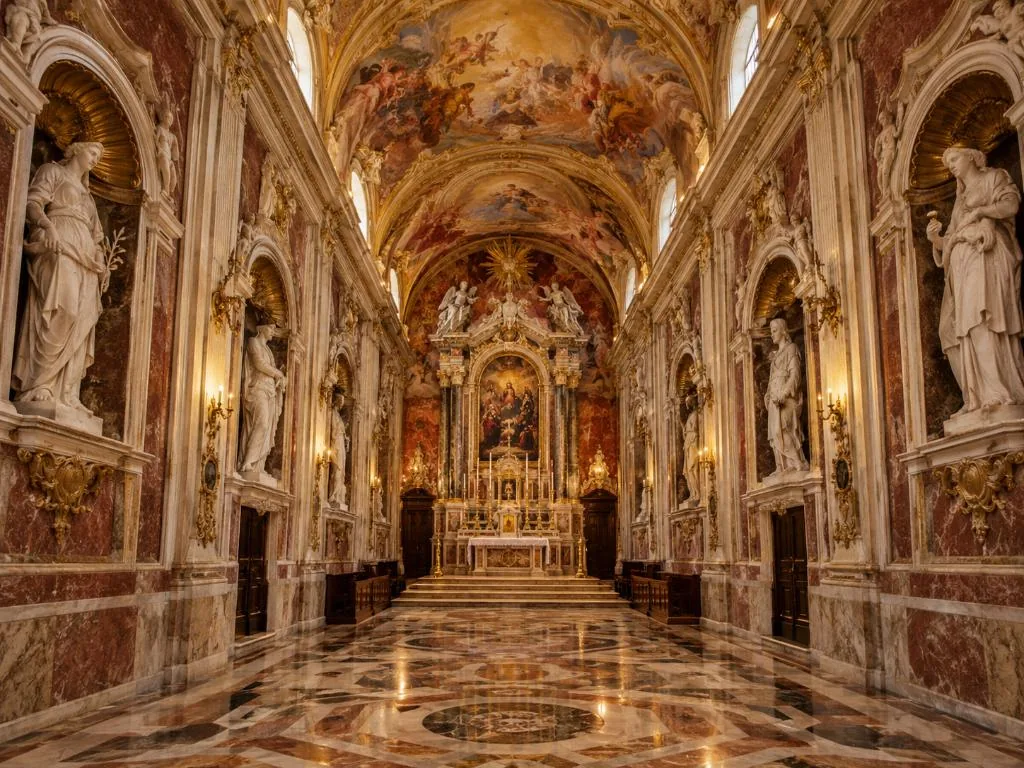
- The nave — A single nave: this is essentially everything you came to see.
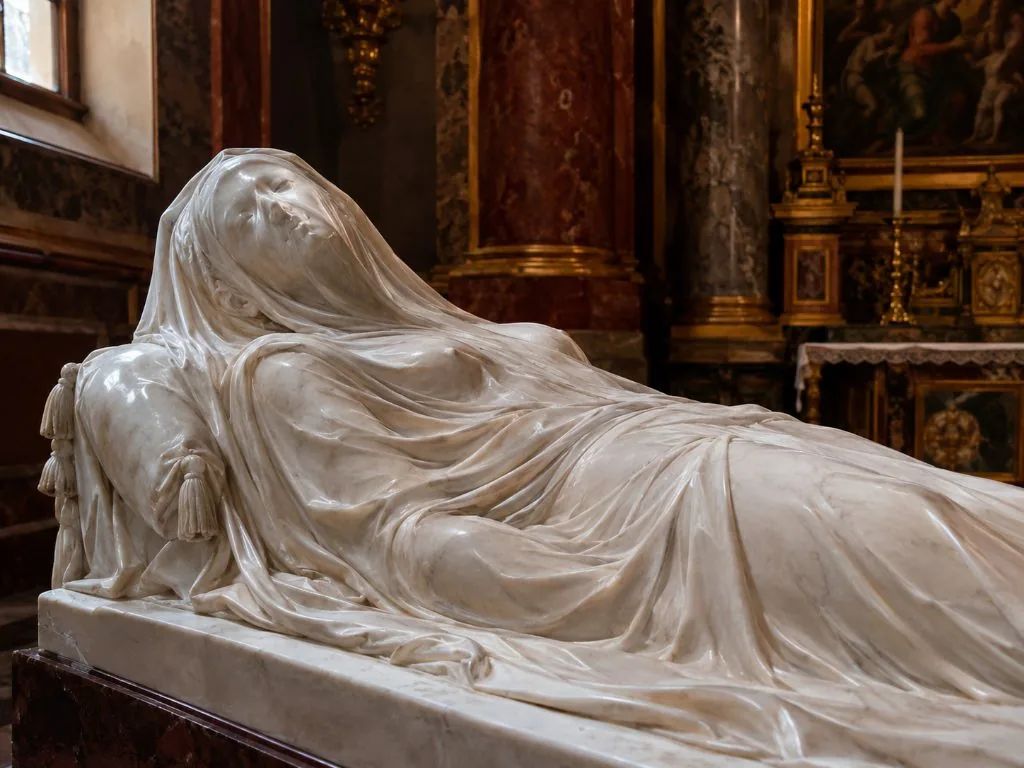
- The Veiled Christ, at the centre — The marble sculpted by Giuseppe Sanmartino in 1753: body and veil carved from the same block.
- Modesty — Monument to Cecilia Gaetani dell’Aquila d’Aragona, mother of Raimondo di Sangro, who died when he was still a child.
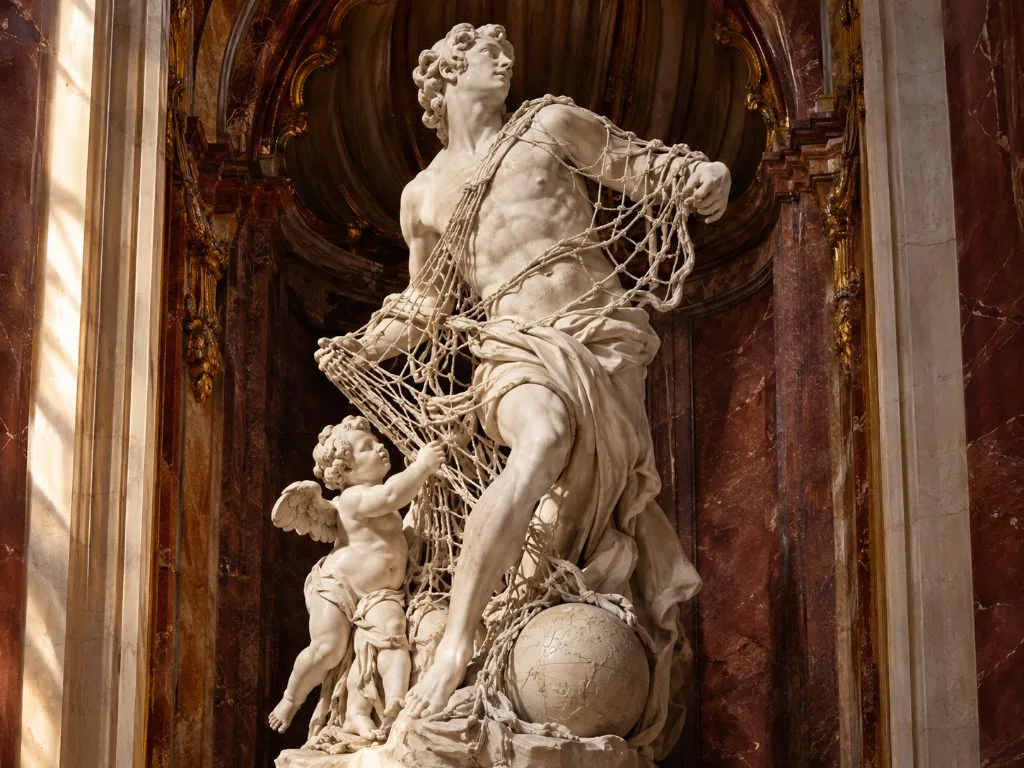
- Disillusion — A man freeing himself from a marble net carved so finely that the craftsmen of the time refused to finish it.
- The other Virtues — Ten allegorical sculptures commissioned by Raimondo, each with a precise meaning, from Sincerity to Divine Love.
- The Russo Vault — The Glory of Paradise, frescoed by Francesco Maria Russo in 1749 and never restored.
- The labyrinth floor — Only a portion remains, near the Cavea: an initiatory symbol, the path to knowledge.
- The spiral staircase — Narrow, one step at a time: this is the way down, and also why the Cavea is not wheelchair-accessible.
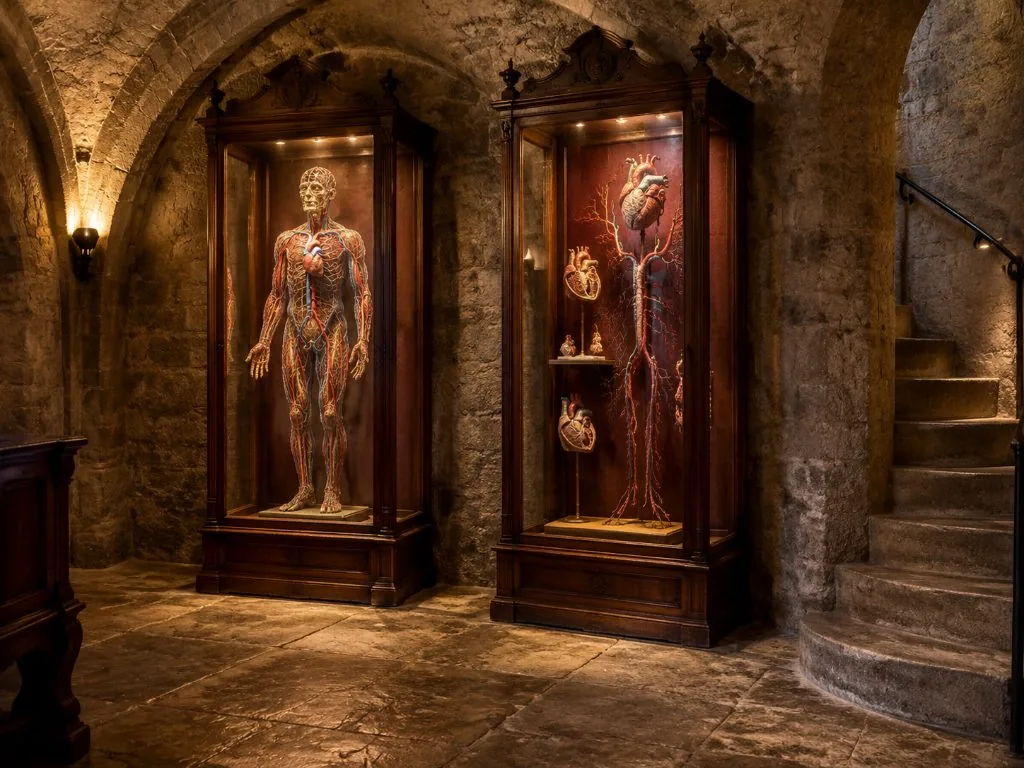
- The Cavea and the anatomical machines — Two skeletons with reconstructed circulatory systems, examined in 2008 by researchers from University College London.
- Sacristy and bookshop — The final stop, on the same level, accessible even to those who have not descended into the Cavea.
On your own, the tour takes about twenty minutes; with a guide explaining each stop, the shortest version lasts 35 minutes. For the longer route, including the historic centre, see all tours compared.
How booking works
Select the day and time slot
The museum is open 9.00–19.00, closed on Tuesdays, last entry at 18.30.
Choose between entry only and guided tour
Entry only gives you the freedom to explore; the guide explains what you are seeing.
Book online, in advance
Booking is mandatory: time slots are limited and those who arrive hoping for a same-day ticket usually leave empty-handed.
Arrive on foot, with a few minutes to spare
Via Francesco De Sanctis is a narrow lane in a limited-traffic zone: there is nowhere to stop by car.
The most booked visit to the Cappella Sansevero
If you want the safest option, this is it: local guide, admission included, free cancellation up to 24 hours in advance.
Admission, guided tour or historic centre: which to choose
Three different ways to see the same Chapel. Here’s what really changes.
| Admission to the Veiled Christ with on-site guide | Most bookedVeiled Christ and Sansevero Chapel: guided tour | Historic centre, Veiled Christ and Santa Chiara Cloister | |
|---|---|---|---|
| Duration | 35 minutes | 35 minutes – 2.5 hours | 2.5 hours |
| Languages | Italian, Spanish | Italian, English, French | Italian |
| What's included | guide, entry, headset for groups over 10 | local guide, entry, short or long option | guide, entry to the Sansevero Chapel, entry to the Santa Chiara cloister on selected dates |
| Meeting point | San Domenico Obelisk | Piazza San Domenico Maggiore or in front of the Chapel | Gesù Nuovo Square |
| For those who | want only the Chapel, without detours | want the most flexible option | want the surrounding historic centre |
| Group size | group, not wheelchair accessible | group or small group depending on the option | group, audio headset included |
| Rating | 4.8 out of 1,374 reviews | 4.8 out of 3,105 reviews | 4.9 out of 6,957 reviews |
| View → | Book this → | View → |
Photo gallery
The Sansevero Chapel, one shot at a time
What you actually see inside, from the nave to the Cavea

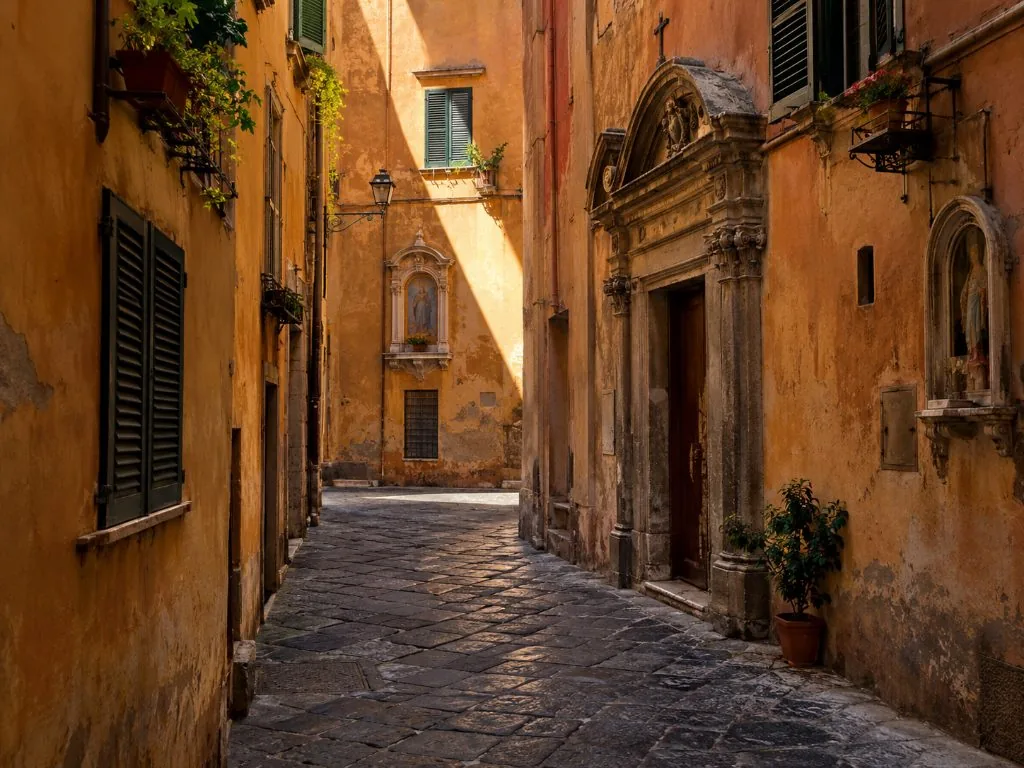
Tap a photo to see dates and availability for the guided tour
A comparison of the six guided tours
Each operator organises the Sansevero Chapel in their own way: different guide, different meeting point, different radius around the Chapel. Here they are, all side by side.
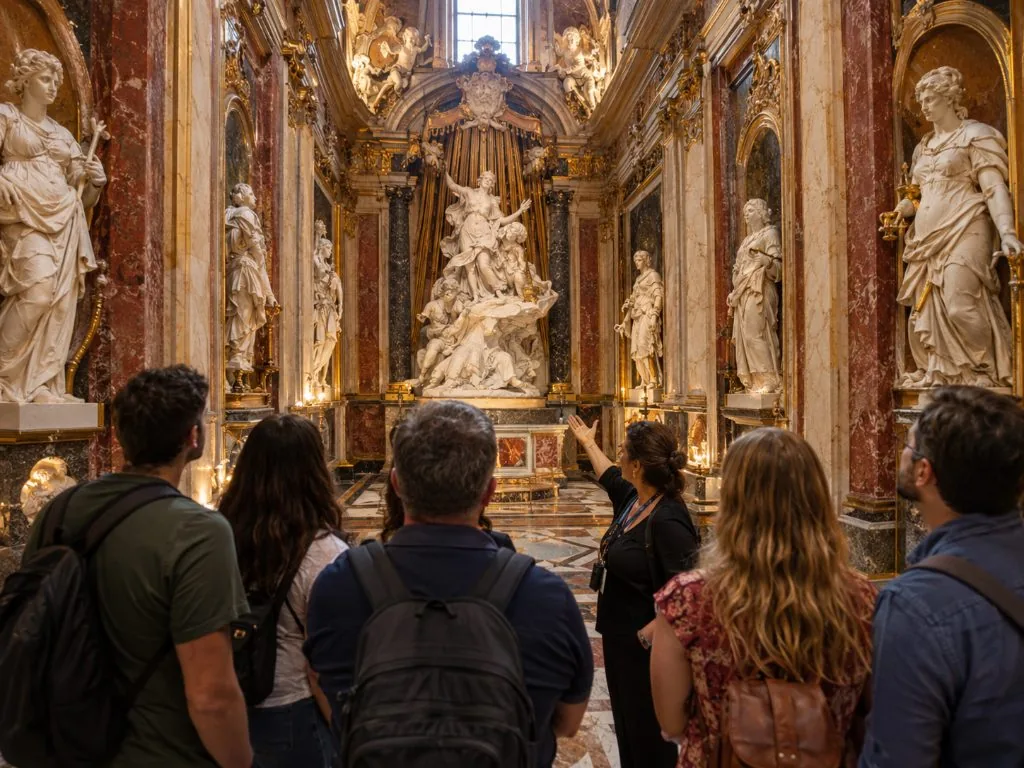 Most booked
Veiled Christ and Sansevero Chapel: guided tour
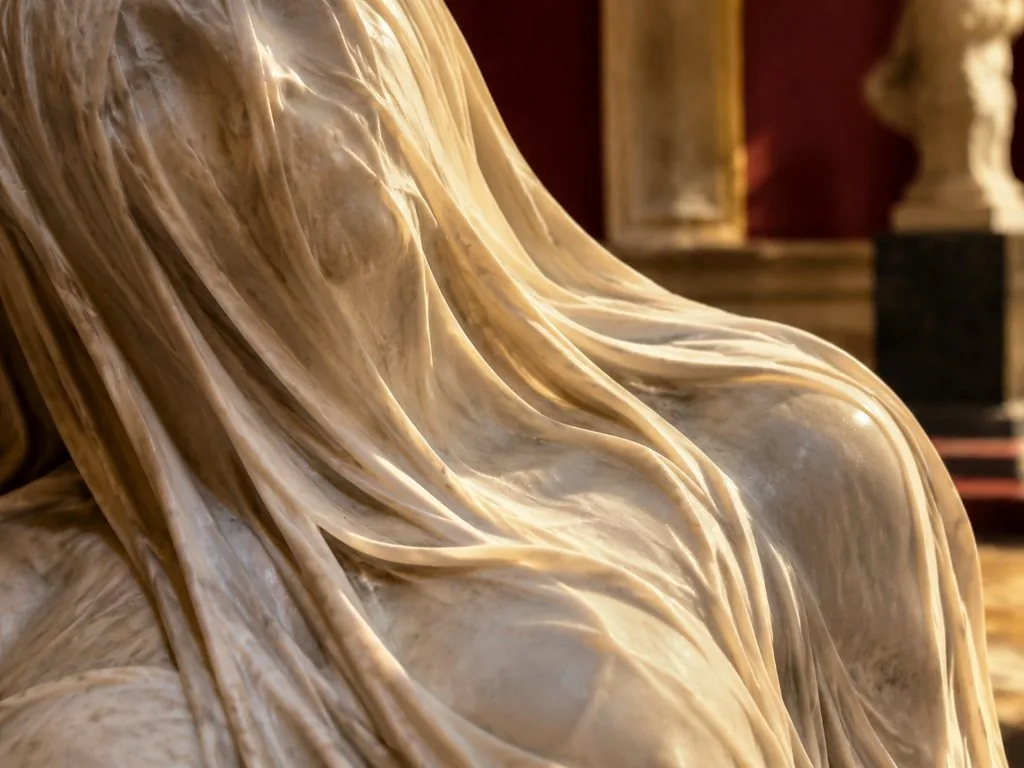 Chapel only
Admission to the Veiled Christ with on-site guide
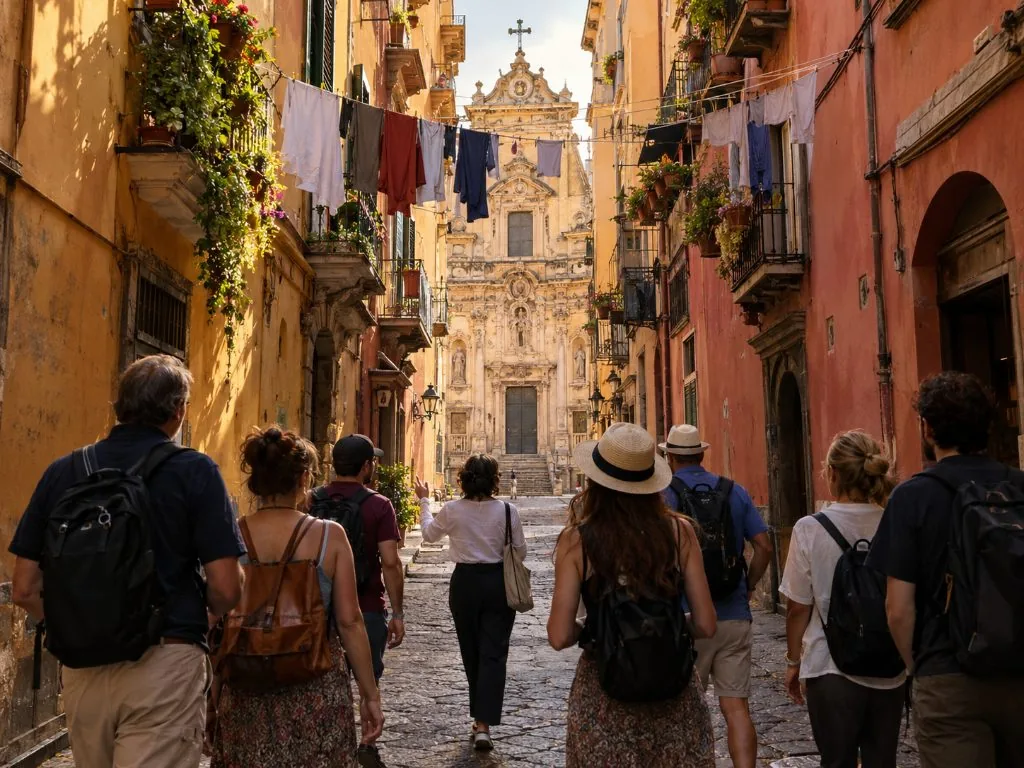 Most reviewed
Historic centre, Veiled Christ and Santa Chiara Cloister
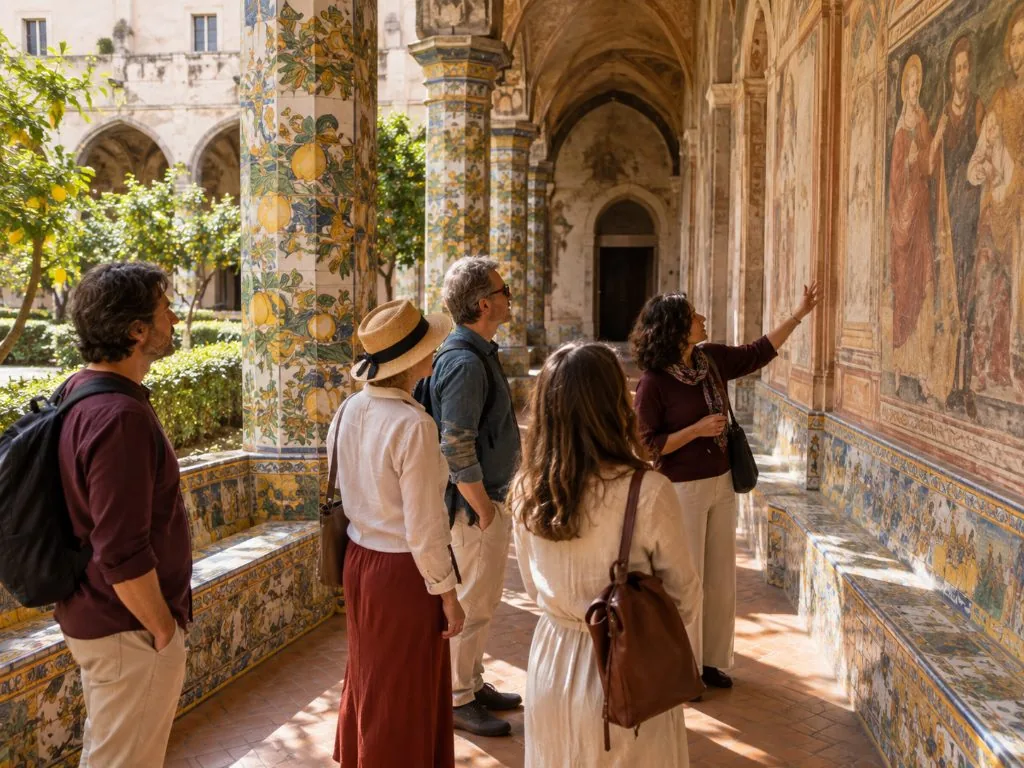 Small group
Ancient Naples and Veiled Christ with art historian
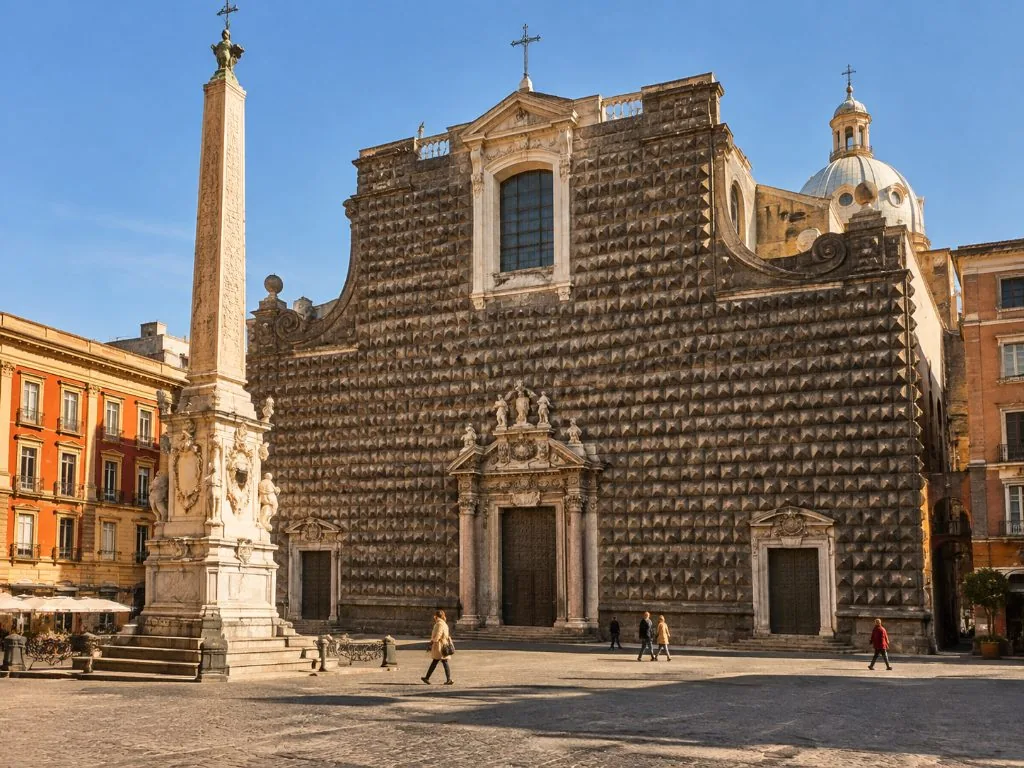 Highest rating
Veiled Christ and Gothic–Baroque walk
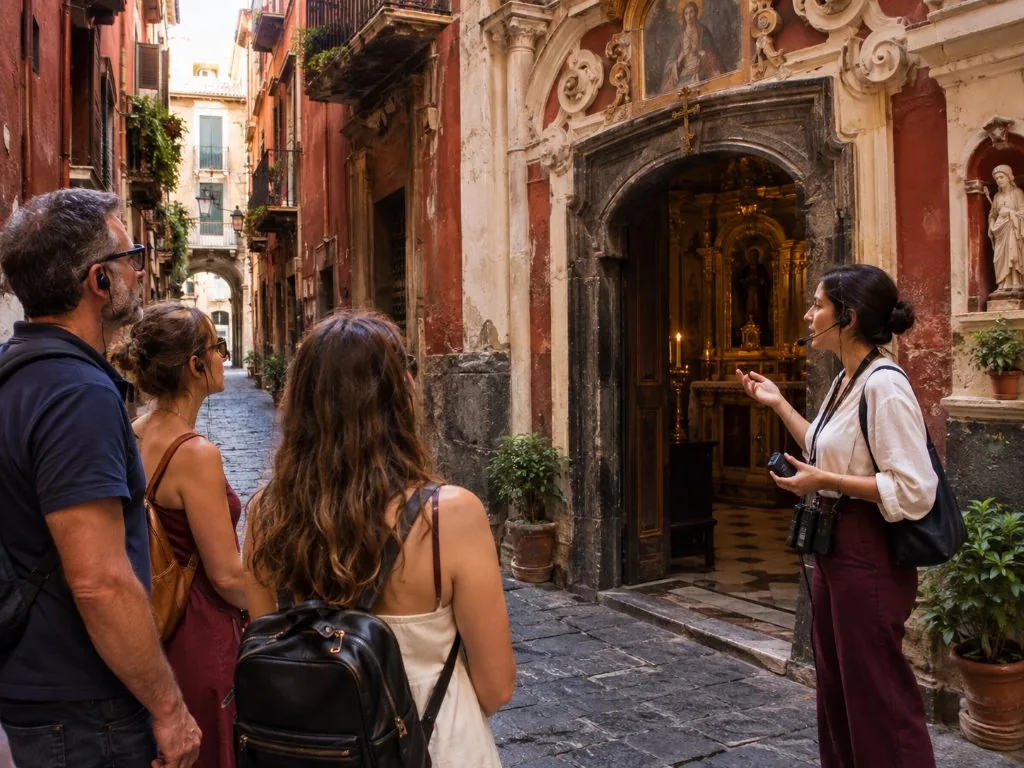 5 languages
Sansevero Chapel with a local guide
What travellers say about these tours
Genuine excerpts from reviews by GetYourGuide operators.
Without him, I would have missed a lot of essential information.
Guide Luca took us through this experience in the most wonderful way.
Well-organised walk, the guide Carlo was truly knowledgeable.
He managed to convey his love for his city.
Ratings and number of reviews are live data from operators on GetYourGuide. Read our full reviews ›
Quick questions before booking
The things almost everyone I accompany asks.
Do I need to book?
Yes, and it is mandatory: entries are timed and you book the date and time online in advance. How it works is explained in booking.
How long does the visit last?
The nave alone can be seen in twenty minutes; the shortest guided tour lasts 35 minutes; the walk through the historic centre takes 2.5–3 hours. Details are in how long the visit lasts.
Are photos allowed inside?
No, never: neither photos nor videos, no exceptions. This is the rule that surprises first-time visitors the most — read are photos allowed.
Is the Cavea accessible by wheelchair?
The nave with the Veiled Christ is; the underground Cavea with the anatomical machines is not, because access is only via a narrow spiral staircase. Details in accessibility.
What is the best visit?
Depends on how much time you have: 35 minutes for the Sansevero Chapel alone, or 2.5–3 hours if you want the historic centre around it. The full comparison is in which is the best tour.
What’s nearby to see?
Just a short walk away are Spaccanapoli, San Gregorio Armeno, the cloister of Santa Chiara and the Duomo — see nearby.
Dates don’t work for you?
Check the other available tours and find one that fits your schedule — instant confirmation and free cancellation up to 24 hours in advance.
Sansevero Chapel, explained
I’ve taken practically every relative, friend and other people’s partners who’ve visited Naples over the last twenty years into the Cappella Sansevero. I’m not a licensed tour guide, I always say that before we start: what I write here is what I’ve learned from reading, asking questions and being inside dozens of times, not a script from a manual.
Why Raimondo di Sangro built all this
The chapel was built at the end of the sixteenth century on a garden linked to a legendary episode—a Madonna image said to have healed a prisoner. It was Alessandro di Sangro who gave it the form of a church, in Neapolitan Baroque style. However, the chapel one visits today is primarily the project of another Sangro, who arrived a century and a half later: Raimondo, the seventh Prince of Sansevero, an inventor, publisher, military man, and one of the most debated figures of eighteenth-century Naples. He transformed it into his family’s mausoleum, with a precise programme of art and philosophical symbolism: each statue represents a virtue, dedicated to a relative. Around him grew a reputation as an alchemist, fuelled by his real experiments and his excommunication. I treat it as what it is: a documented legend, not a fact. The full story is in Raimondo di Sangro.
The Veiled Christ: why the marble leaves one speechless
At the centre of the nave is the Veiled Christ, sculpted by Giuseppe Sanmartino in 1753 on commission from Raimondo di Sangro himself. It was meant to be done by Antonio Corradini, who however died in 1752 after leaving only a sketch: the task passed to Sanmartino, who was just over thirty years old. The question everyone asks, and rightly so, is how that veil is made, which looks like real fabric draped over the body, with folds following every form beneath. The answer lies in the accounting document signed by Raimondo di Sangro himself, which describes «a life-sized marble statue representing Our Lord Jesus Christ dead, covered by a transparent shroud made from the same block as the statue». Body and veil emerge from the same piece of marble, sculpted together, not added one on top of the other. The legend that has circulated for centuries—the alchemist prince who would have «marbleised» a real fabric veil with a secret process—is false, and the document signed by him states as much. Raimondo di Sangro wrote that the work was «made with such art as to astonish the most skilled observers», and since I first saw it, I understand why he wrote that first. The rest of the sculpture, including the other works in the nave, is on the page what to see; the full technical sheet is in the Veiled Christ.
What the anatomical machines really are
Below the nave, after a narrow spiral staircase, is the Cavea, and inside the Cavea stand two skeletons, a man and a woman, with what appears to be an almost entirely preserved arteriovenous system. It’s the other thing everyone asks, usually with a half-incredulous expression: are they real? The short answer is yes and no. The skeletons are authentic; the circulatory system that envelops them is a reconstruction using various materials, including beeswax and colourants, by the Sicilian physician Giuseppe Salerno between about 1756 and 1764. Raimondo di Sangro purchased the male specimen in 1756, then commissioned the female one. For centuries, a dark legend circulated—that the prince had two servants killed to turn them into anatomical models: it remains a legend, and the most accredited hypothesis is that they were used for injection experiments on material already available at the time. In 2008, a group of researchers from University College London examined the two figures and confirmed exactly this: real skeletons, artificial circulatory system. At the feet of the female figure was a foetus with its placenta, the remains of which were stolen over time. If you go down to the Cavea, bear in mind that it is not wheelchair-accessible, unlike the nave: the detail is in accessibility, the full story of the two figures in the anatomical machines.
Thirty-five minutes or two and a half hours: the practical choice
Here the story ends and logistics begin, and it’s the question I’m asked most often: how much time should I allow? The nave alone, walked at a leisurely pace, takes a good twenty minutes; that’s why the shortest guided tours last 35 minutes—enough time to stay inside and understand what you’re looking at without rushing. If you have a whole morning in Naples and want to include the historic centre around it—Spaccanapoli, San Gregorio Armeno with its nativity scenes, the cloister of Santa Chiara, the Duomo—it makes sense to take a 2–3 hour walk that includes the Chapel as a stop, not as the only destination. These are two different experiences, suited to two different types of visitors: those with little time will be fine with the short version, while those in Naples for the first time usually enjoy the longer one more. In both cases, the same rule applies: you enter at the booked time slot, you don’t buy the ticket at the door on the same day, and photography is not allowed inside. The comparison between the six tours I follow is in all tours; for a straightforward answer on which to choose, see which is the best tour.
What I tell those who ask if it’s worth it
It’s worth it, with two caveats I always mention before setting off. First: it’s brief, so plan the rest of your day around those 35 minutes, not around the Chapel. Second: leave your camera in your bag, because photography is not allowed inside and the rule is strictly enforced. Otherwise, it’s one of the few things in Naples I recommend without too many qualifications: a marble that looks like real fabric, two skeletons that seem fake but aren’t, and a family story that holds everything together. The detailed answer, with pros and cons laid out, is in is it worth it.
Frequently asked questions
What’s inside the Cappella Sansevero?
A single nave, with the Veiled Christ by Giuseppe Sanmartino at its centre, the statues of Pudicizia and Disinganno, eight other allegorical Virtues, the ceiling frescoed by Francesco Maria Russo, and a labyrinth floor. Below, in the Cavea, are the anatomical machines. The full order is in what to see.
How long does the visit to the Sansevero Chapel take?
The nave alone can be seen in twenty minutes; the shortest guided tour lasts 35 minutes; if you add the surrounding historic centre, it takes 2.5–3 hours. More details in how long the visit lasts.
Who sculpted the Veiled Christ?
Giuseppe Sanmartino, in 1753, commissioned by Raimondo di Sangro. It was meant to be done by Antonio Corradini, who died in 1752, leaving only a sketch. The body and veil are carved from the same block of marble: the legend of the cloth veil is false. The full story is in the Veiled Christ.
Are the anatomical machines real?
The skeletons are real; the circulatory system covering them is reconstructed using various materials, including beeswax. This was confirmed in 2008 by a study from University College London. All details in the anatomical machines.
What are the Sansevero Chapel’s opening hours?
Open daily 9.00–19.00, closed on Tuesdays, with last entry at 18.30. The full list, including the least crowded times, is in opening times.
Can photos be taken of the Veiled Christ?
No. Photography and filming inside the Chapel are strictly prohibited, without exceptions, and this is the most strictly enforced rule. The detail is in are photos allowed.
Is booking required to visit the Sansevero Chapel?
Yes, booking is mandatory: daily admissions are limited and you book the date and time slot online in advance. Those who rely on purchasing tickets on-site for the same day usually do not gain entry. How it works is explained in booking.
What to see near the Sansevero Chapel?
Just a short walk away are Piazza San Domenico Maggiore, Spaccanapoli, Via San Gregorio Armeno, the cloister of Santa Chiara and Naples Cathedral. A possible itinerary is in nearby.
Still have questions? Write to us at [email protected]